
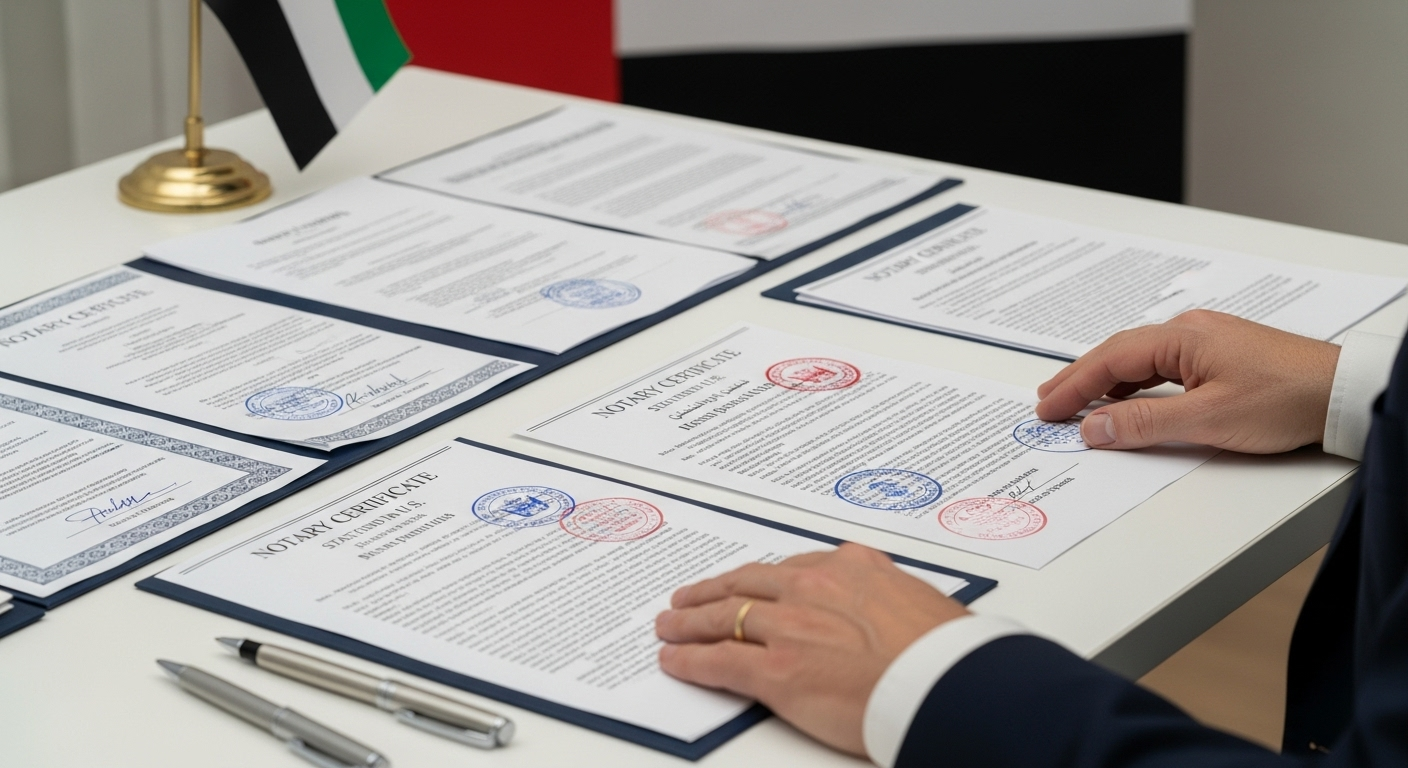
Common Mistakes to Avoid During UAE Embassy Legalization
Legalizing documents at the UAE Embassy in Washington, D.C. requires careful attention to detail. Mistakes during preparation, submission, or authentication can result in delays, rejection, or additional administrative steps.
The Arab Chamber of Commerce assists applicants in preventing errors and ensuring that all documents comply with UAE Embassy requirements.
Mistake 1: Incomplete or Damaged Documents
Submitting incomplete or damaged documents is a frequent issue. Documents must be original, complete, and in good condition. Torn, faded, or illegible documents may be rejected by the embassy.
Tip: Review all documents carefully before submission and make certified copies for your records.
Mistake 2: Missing Notarization or Incorrect Notary
Most documents require notarization by a licensed U.S. notary public. Missing notarization, or notarization by an unauthorized individual, can result in rejection at the state or federal level.
Tip: Confirm that your notary is licensed and that all signatures are properly verified.
Mistake 3: Skipping State or Federal Authentication
After notarization, documents must be authenticated by the Secretary of State and the U.S. Department of State. Skipping any step in the authentication chain prevents the UAE Embassy from legally recognizing the document.
Tip: Ensure that each authentication step is completed and that official seals are clear and visible.
Mistake 4: Missing or Incorrect Translations
Documents not in English or Arabic must be translated by a certified translator. Inaccurate or missing translations can cause delays or rejection.
Tip: Always provide certified translations and verify accuracy before submission.
Mistake 5: Improper Submission or Packaging
Documents submitted in disorganized envelopes or via unreliable courier services may be lost or damaged. Proper organization and secure packaging are essential.
Tip: Arrange documents by type, label them clearly, and use a reliable courier or hand-deliver when possible.
Mistake 6: Not Following UAE Embassy Guidelines
Each UAE Embassy may have specific requirements regarding fees, forms, and submission procedures. Ignoring these guidelines can lead to rejection or delays.
Tip: Review official UAE Embassy instructions carefully or coordinate with the Arab Chamber of Commerce for guidance.
Benefits of Avoiding These Mistakes
Ensures timely processing of personal, educational, and corporate documents
Prevents unnecessary delays or re-submissions
Guarantees compliance with UAE legal and administrative standards
Protects legal, educational, and business interests in the UAE
Careful attention to these common errors streamlines the legalization process and ensures official recognition of all documents.
FAQ
What is the most common reason for UAE Embassy document rejection?
The most common reasons include missing notarization, incomplete authentication, damaged documents, or incorrect translations.
Can mistakes be corrected after submission?
Some errors can be corrected, but this may result in delays and additional administrative steps.
How can I avoid mistakes during the legalization process?
Follow the complete legalization checklist, ensure notarization and authentication are done correctly, provide certified translations, and follow UAE Embassy submission guidelines.
Does the Arab Chamber of Commerce help prevent mistakes?
Yes. They assist with document review, authentication guidance, and proper embassy submission to ensure a smooth legalization process.